November 18, 2026
The Complete Guide to Cleaning Exposed Aggregate Driveways
By @judahfilw082
Exposed aggregate driveways are popular across the Mornington Peninsula for their textured finish and decorative stone appearance. However, dirt, oil, leaf tannins and algae can collect between the stones, affecting both appearance and grip. Regular cleaning helps maintain the surface, but overly aggressive pressure washing can damage the cement matrix and loosen aggregate.
This guide explains how to clean exposed aggregate safely, treat common stains and decide when professional help is worthwhile.
Why Mornington Peninsula Driveways Need Regular Cleaning
Coastal exposure, windblown sand and seasonal rain all influence driveway maintenance on the Mornington Peninsula. Shaded driveways can stay damp, encouraging algae and moss, while overhanging trees leave organic debris that can stain the surface.
Sweep regularly and inspect the driveway after storms or heavy leaf fall. For many properties, a thorough clean once a year is a useful starting point, with more frequent attention to slippery shaded areas and fresh spills.
Check the Surface Before You Start
Look for cracks, loose stones, crumbling concrete and peeling sealer. Cleaning will not repair these problems, and pressure washing can make weakened areas worse. Have significant deterioration assessed before proceeding.
Check whether the driveway is sealed and, if possible, identify the coating. Some cleaners can dull, soften or discolour sealers. Always test the cleaning product and method in an inconspicuous area and inspect the patch once dry.
How to Clean an Exposed Aggregate Driveway
- Clear and sweep the area. Move vehicles, pots and loose items. Sweep up sand, leaves and grit rather than washing them towards the street.
- Plan runoff control. Identify nearby drains and arrange containment before applying chemicals. Protect garden beds and follow the cleaner’s instructions for nearby plants.
- Apply a suitable cleaner. Use a product labelled for concrete, exposed aggregate and any existing sealer. Follow its dilution and dwell-time directions, and do not let it dry on the surface.
- Scrub textured areas. Work the cleaner into dirty sections with a stiff nylon-bristle brush. Avoid wire brushes, which can scratch coatings or leave metal particles that rust.
- Rinse gently and evenly. Start with a garden hose. If pressure washing is necessary, begin with low pressure, a wide fan nozzle and a generous working distance. Keep the spray moving and avoid concentrating it on one spot.
- Inspect after drying. Remaining stains may need targeted treatment rather than another aggressive wash.
What Pressure Is Safe?
There is no single pressure setting that suits every exposed aggregate driveway. Concrete condition, sealer, nozzle choice, water flow and distance all affect the result. Follow the surface and equipment manufacturers’ guidance, and use the least aggressive method that works.

Avoid narrow pencil jets and aggressive rotary nozzles unless a suitably qualified operator has confirmed they are appropriate. A surface-cleaning attachment can improve consistency, but it can still cause damage if https://archerinji287.sagecurrent.com/posts/how-much-water-does-professional-pressure-cleaning-use used incorrectly.
How to Treat Common Driveway Stains
Oil and Grease
Absorb fresh spills promptly with a suitable absorbent material, then collect it for appropriate disposal. Apply a concrete-compatible degreaser according to the label and scrub gently. Older oil stains may need repeated treatment or a specialist poultice, and complete removal is not always possible.
Algae and Moss
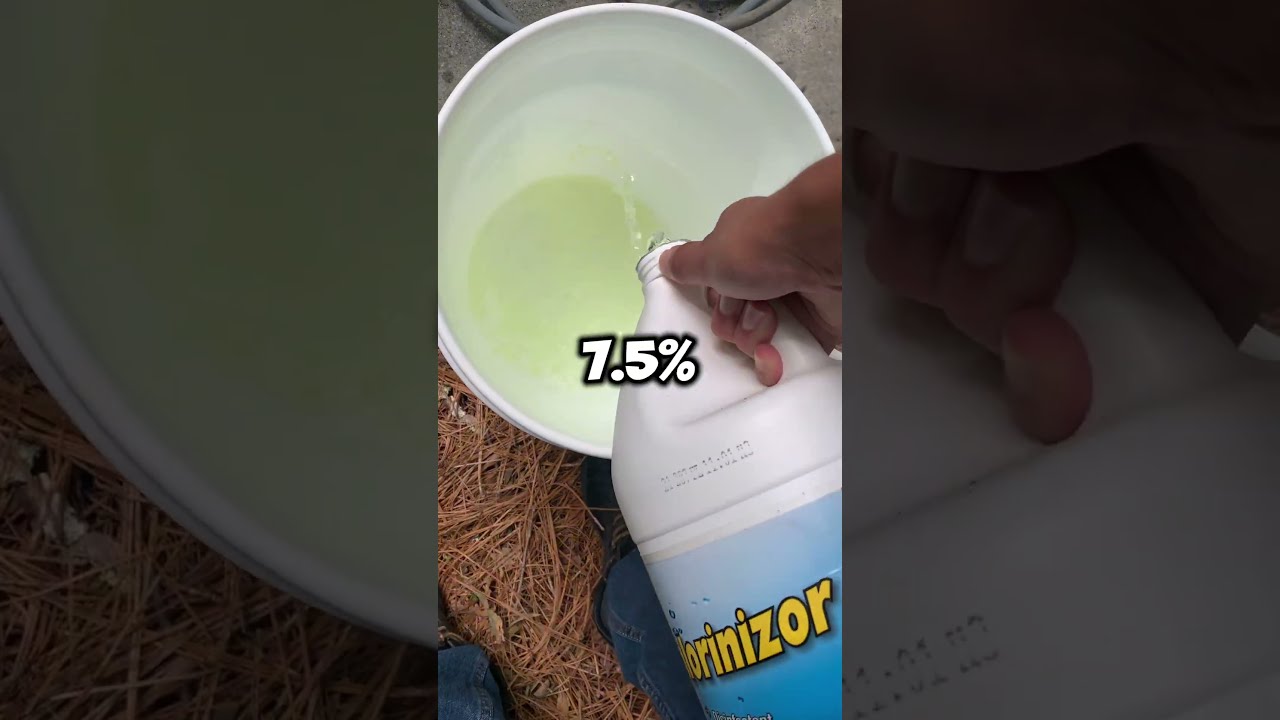
Use a treatment approved for the surface and follow all safety and environmental directions. Remove loosened growth carefully and address contributing conditions, such as blocked drainage or persistent leaf cover. Never mix bleach with acids, ammonia or other cleaning products.
Rust and Leaf Stains
Rust and tannin stains require different treatments. Choose a stain-specific product labelled as suitable for exposed aggregate and the existing sealer. Avoid using hydrochloric acid as a general driveway cleaner: it can etch the cement matrix, alter the appearance and damage surrounding materials.
Protect Stormwater and Nearby Gardens
Driveway runoff can carry detergents, oil and sediment into stormwater systems and local waterways, including those draining towards Port Phillip and Western Port. Do not wash contaminated water into street gutters or stormwater drains. A cleaner labelled biodegradable is not automatically safe to discharge.
Use appropriate containment and recovery methods, and confirm disposal requirements with Mornington Peninsula Shire or EPA Victoria where necessary. Check current local water restrictions before using mains water for driveway cleaning.
Should You Reseal After Cleaning?
Cleaning does not automatically mean resealing is necessary. Sealer lifespan varies with product type, traffic, weather exposure and previous application. Look for uneven wear, peeling or changes in water absorption, but do not rely on water beading alone to assess coating condition.
If resealing is needed, confirm compatibility with the existing coating and allow the surface to dry fully according to the product instructions. Excess moisture or unsuitable application conditions can cause clouding or adhesion problems. Ask about slip resistance, particularly on sloping driveways, because some film-forming sealers become slippery when wet.

When to Hire a Professional
Professional cleaning is worth considering for large or steep driveways, extensive biological growth, stubborn staining, damaged coatings or sites where runoff is difficult to contain. Choose a Mornington Peninsula provider who assesses the concrete first, explains the cleaning method and has a clear wastewater-management plan.
Between professional visits, regular sweeping, prompt spill treatment and keeping drainage clear are simple ways to maintain your exposed aggregate driveway without unnecessary wear.
Mornington Peninsula Pressure Washing
(03) 8686 8331
❧